Short answer
The answer in plain English
The “gum” was birch pitch, a sticky material used as prehistoric adhesive. Chewing softened it and mixed saliva and cells into the pitch. Once hardened, its water-resistant chemistry and favorable burial conditions slowed decay and trapped fragmented DNA. Researchers can now recover human ancestry, oral microbes, and cautious clues about diet and activity from those discarded lumps.
Why it matters
What to understand
Nearly 10,000-year-old chewed birch pitch from Huseby Klev in Sweden preserved genome-wide DNA from several people, including evidence that some chewers were young. Later work found oral microbes and possible food or environmental traces. A different, 5,700-year-old Danish sample produced the genome nicknamed Lola. Keeping those two discoveries separate prevents a remarkable archive from becoming a misleading story.
Visual guide
How the pieces fit together


The short answer
The object was not chewing gum in the modern sense. It was birch pitch: a dark adhesive made by heating birch bark with limited oxygen. Stone Age people probably chewed pieces to warm and soften them before attaching stone edges to handles or repairing equipment.
Chewing also worked human material into the pitch. Saliva, mouth cells, bacteria, and traces of whatever had recently passed through the mouth became trapped when the lump hardened. The water-resistant material and favorable burial conditions slowed decay enough for fragmented DNA to survive thousands of years.
That makes a discarded lump unusually informative. A tool can reveal what people made; DNA in the adhesive can help identify the people who handled it.
Prehistoric glue with tooth marks
Birch pitch requires controlled heating rather than simply peeling bark from a tree. Once produced, it can harden as it cools. Chewing would make a lump pliable again, much as warming a modern adhesive changes how easily it can be worked.
Glue preparation is a strong explanation, but it is not the only possible one. Birch compounds may have had medicinal value, and people can chew things for comfort or habit. Archaeology rarely preserves the chewer’s intention. The honest claim is that the material was useful adhesive and that chewing made it workable; other motives remain possible.
The oldest Scandinavian examples in this story came from Huseby Klev, a hunter-fisher-gatherer site on Sweden’s west coast.
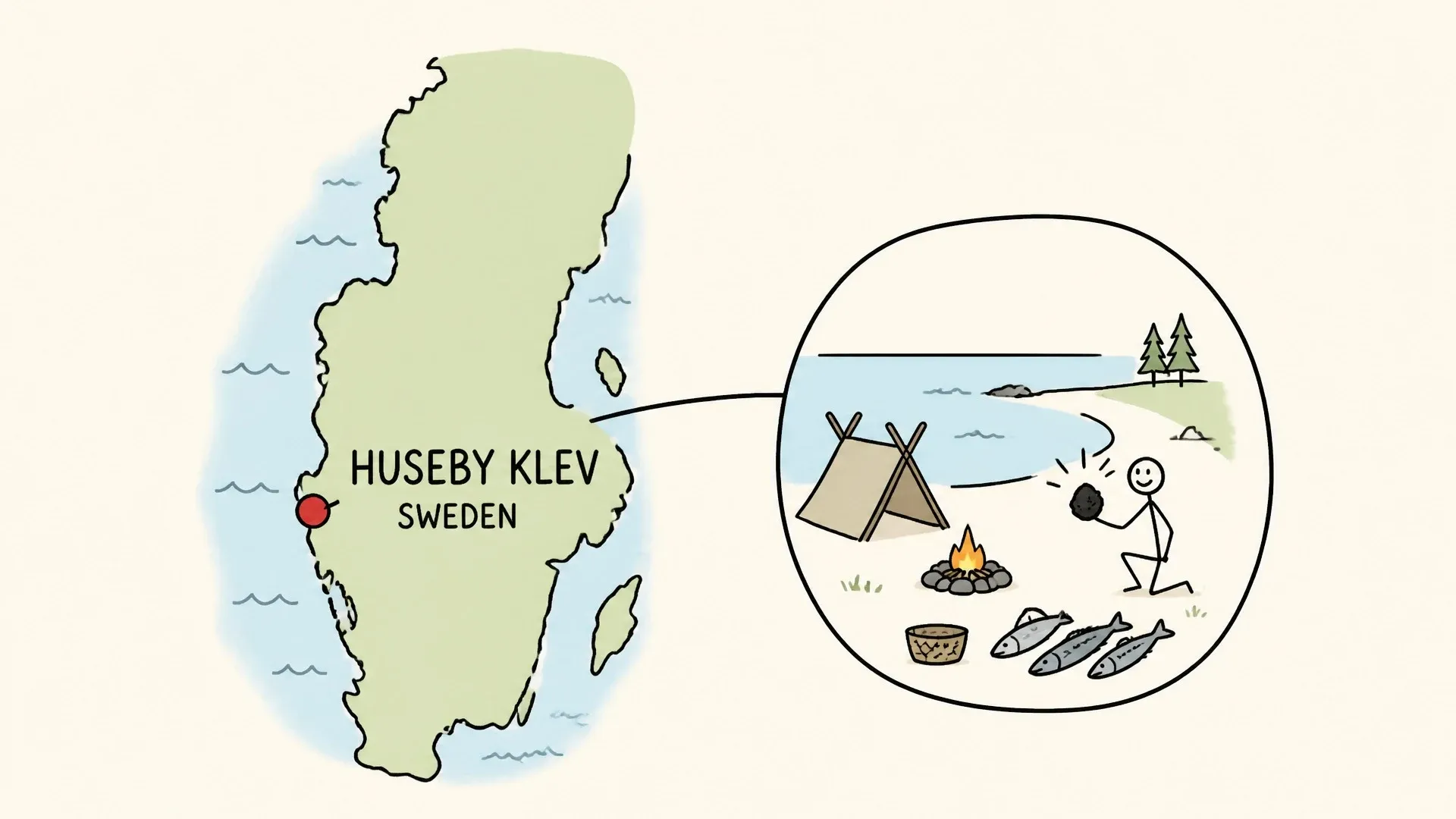
Archaeologists found stone-working debris, organic remains, and more than a hundred pitch pieces. Some retained tooth impressions. Analyses of those marks suggested that several chewers were children or teenagers. That is a rare ordinary detail in a period more often represented by tools and settlement debris.
Why saliva lasted so long
DNA normally breaks into shorter and shorter fragments after death. Water, oxygen, heat, microbes, and chemical reactions all influence the rate. Birch pitch did not keep DNA pristine. It created an unusually protective microenvironment.
Mouth cells and saliva were mixed into a sticky, water-repelling material that subsequently hardened. At Huseby Klev, clay also helped seal the archaeological layer. Together, material and burial conditions limited some processes that would otherwise destroy biological evidence.
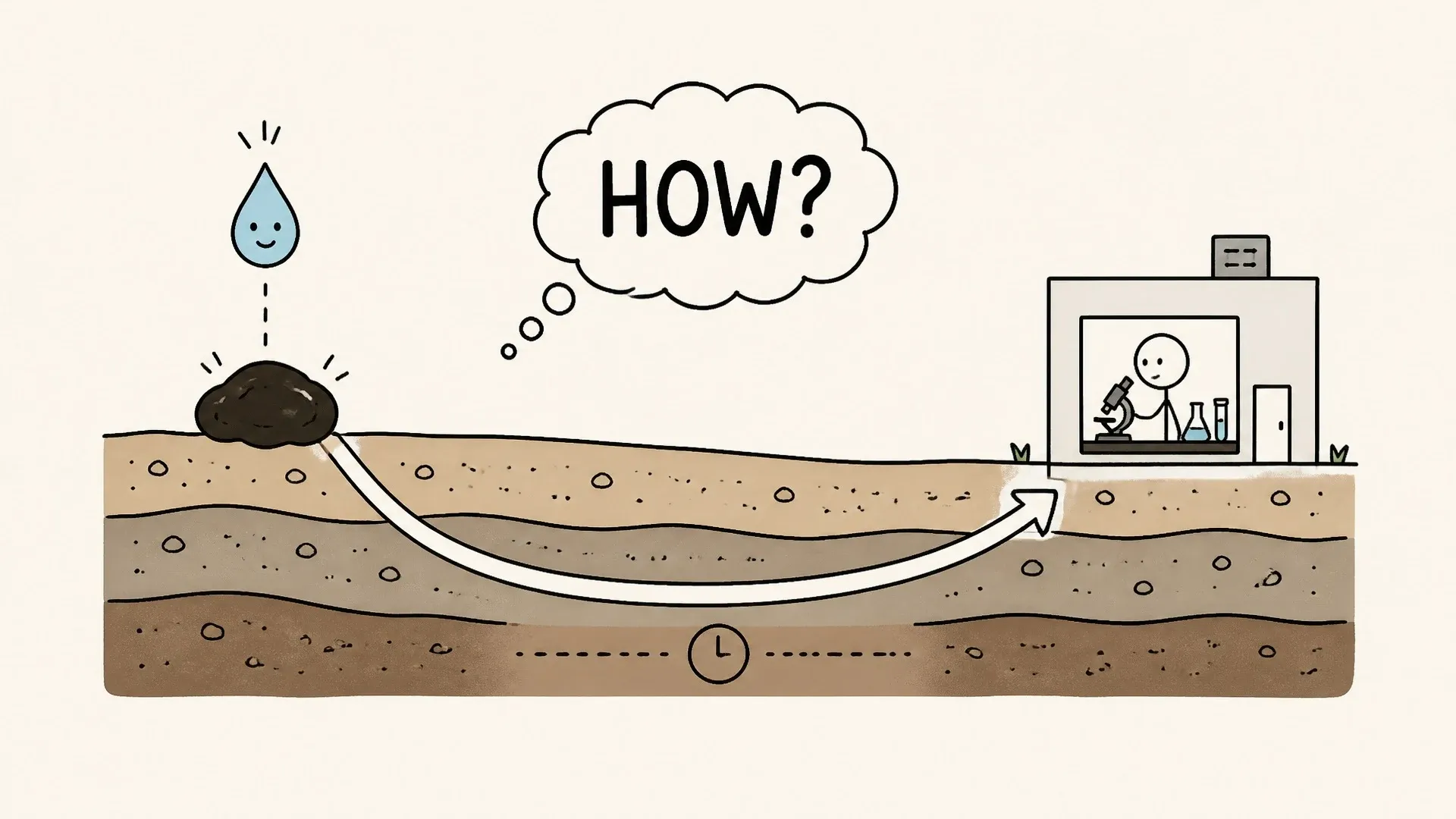
Researchers still have to separate ancient molecules from modern contamination. Excavators and laboratory workers also carry DNA, and the objects have passed through many hands since discovery. Ancient-DNA laboratories therefore use protective clothing, controlled workspaces, cleaning steps, blank samples, and replication. Scientists also look for short fragment lengths and characteristic molecular damage that accumulates over time.
This evidential caution resembles the problem behind DNA-based species claims: a genetic signal can be powerful without answering every question by itself. Context, contamination control, sampling, and alternative explanations still matter.
What the Swedish pitch revealed
Genome-wide DNA from three Huseby Klev pieces showed that both male and female individuals had chewed the material. Their genetic profiles connected them to the hunter-gatherer populations living in Scandinavia at the time. Because human bones are absent, poorly preserved, or inappropriate to sample at many sites, DNA attached to an artifact opens a different route to the people present there.
A later metagenomic analysis recovered communities of oral bacteria, including microbes associated with tooth decay and gum disease. The result is a useful correction to romantic pictures of perfect prehistoric teeth. Refined sugar changed dental environments, but harmful oral communities existed long before modern diets.
The samples also contained DNA associated with hazelnut, trout, red deer, apple, red fox, mallard, and other organisms. Some may represent recent food. Some could come from handled materials or the surrounding environment. Ancient fragments can also be difficult to assign precisely among related species.
A detected sequence is therefore not an itemized meal. The evidence supports cautious clues about diet, activity, and surroundings—not a complete menu.
Sweden’s old pitch is not Lola’s pitch
Two famous discoveries are often collapsed into one story.
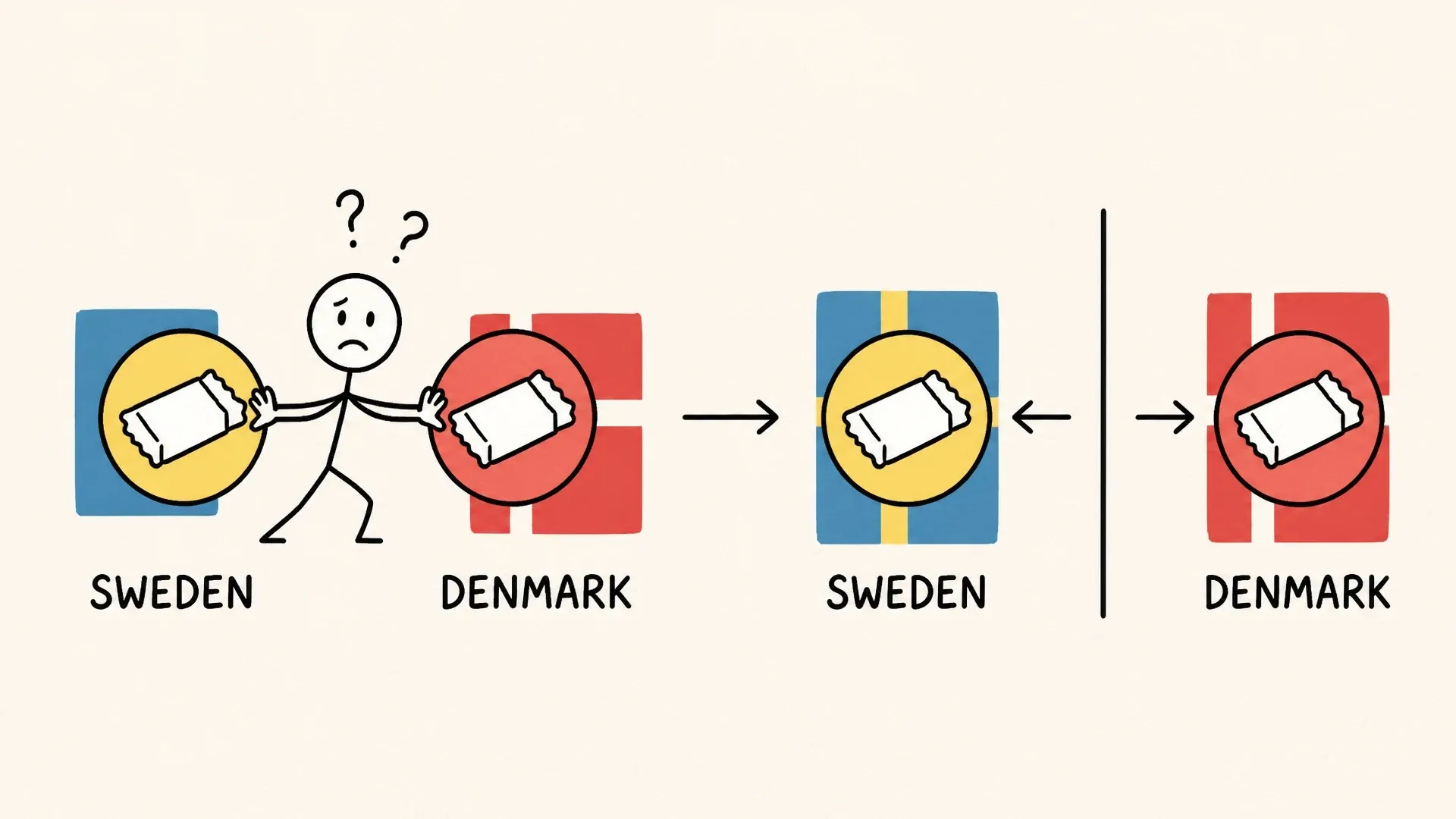
The Huseby Klev material from Sweden is roughly 10,000 years old and preserved DNA from multiple chewers. The sample that produced the genome nicknamed “Lola” came from Syltholm on the Danish island of Lolland and is about 5,700 years old.
The Danish pitch contained enough human DNA to reconstruct a low-depth genome. The chewer was female and genetically closer to western European hunter-gatherers than to early farming groups entering the region. Genetic markers supported a probable combination of dark skin, dark brown hair, and blue eyes. The same sample also contained an oral microbiome, Epstein–Barr virus, hazelnut DNA, and mallard DNA.
Those details remain probabilities and fragments. They do not form a portrait, diary, or medical record. “Lola” is a modern nickname, not a recovered identity.
Why discarded objects change archaeology
Preservation always filters the past. Our article on how fossils form describes how burial and later discovery select a narrow sample of once-living organisms. Chewed pitch is another preservation filter, but one unusually close to a human action.
Weapons, buildings, graves, and pottery often dominate archaeological narratives because they survive. Birch pitch records maintenance: someone softened glue, repaired equipment, dealt with an idle moment, or passed a practical material to a child. The tooth marks tie technology to a mouth; the molecules tie that mouth to ancestry, health, and environment.
Newer studies are testing DNA and chemical residues across larger groups of tar and pitch artifacts. The promise is not that every dark lump contains a complete genome. It is that handled materials can preserve direct biological traces even where human remains do not.
To its owner, the lump may have been rubbish. Its value now comes from precisely that ordinariness: a routine action preserved without ceremony for nearly ten millennia.

