Short answer
The answer in plain English
Buying now can make sense when the complete monthly cost is comfortable, emergency savings remain after closing, and the home fits a stable multi-year plan. Waiting is safer when today's payment needs a future refinance to become affordable, the purchase would empty your reserves, or flexibility is valuable. The decision should survive several market outcomes instead of depending on a prediction that rates or prices will fall.
Why it matters
What to understand
The advertised mortgage payment omits taxes, insurance, maintenance, mortgage insurance, and sometimes association dues. A lower future rate may arrive alongside a higher price, while refinancing has fees and qualification risk. Local inventory and seller concessions can matter more than national headlines. The useful test is whether the purchase works now, whether you can absorb ordinary surprises, and whether waiting has a concrete savings or debt-reduction plan.
Visual guide
How the pieces fit together


The market does not have to be perfect
The practical question is not whether this is the best month in the housing cycle. It is whether a specific home and loan remain manageable if the forecast is wrong. If today’s full payment strains the budget, waiting is usually safer. If the payment is comfortable, cash reserves remain intact, and the home fits a long stay, buying can be reasonable even when rates look unpleasant.
This framing replaces a prediction contest with a risk comparison. Buying now risks overpaying, facing repairs, or missing a later rate decline. Waiting risks higher prices, continued rent, or renewed competition. Neither side comes with certainty.
Start with the payment that actually leaves the account
Mortgage advertisements emphasize principal and interest. Owners also pay property taxes, insurance, maintenance, and sometimes mortgage insurance or association dues. These costs do not politely stay fixed for thirty years.
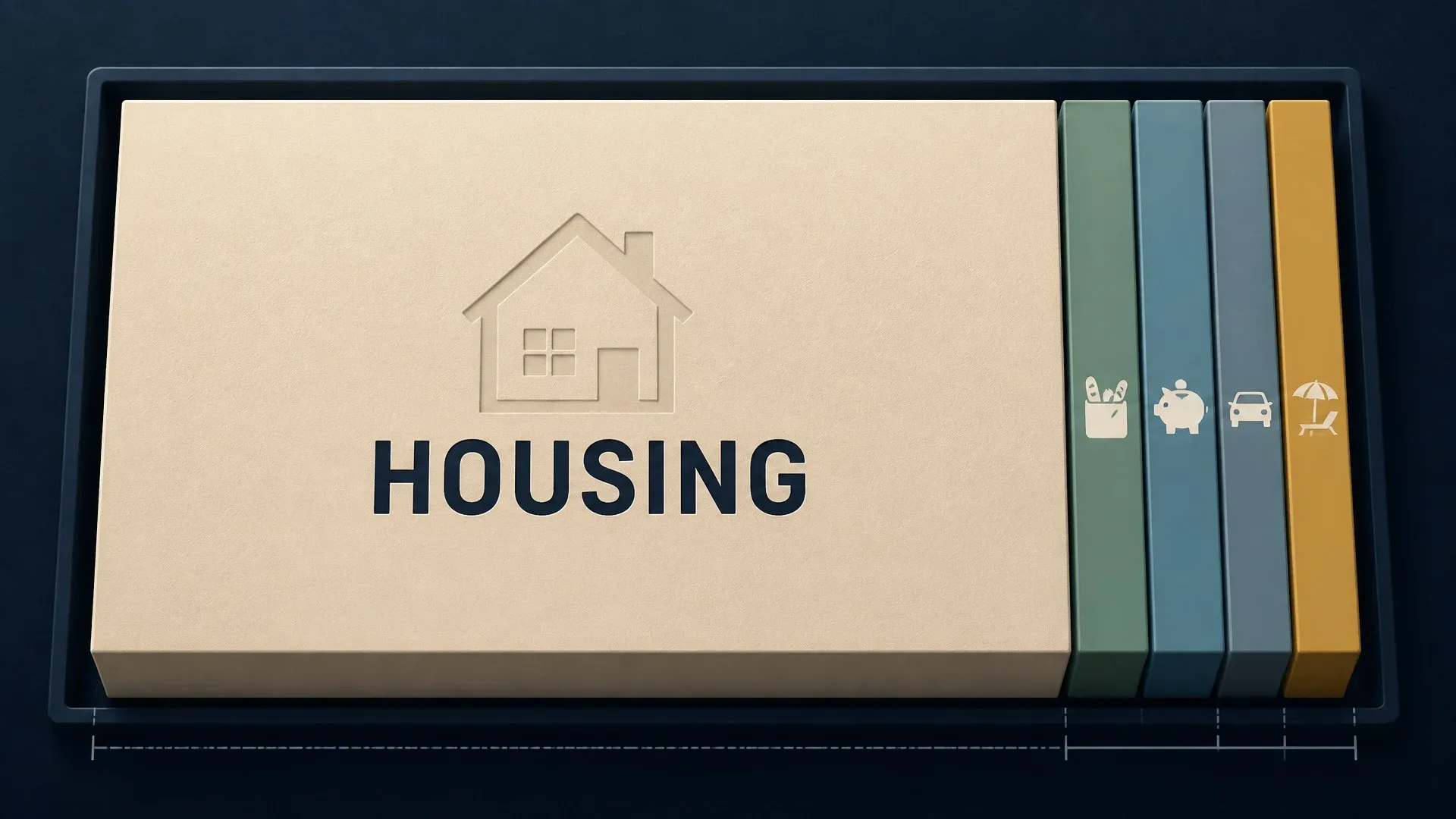
A mortgage can be lender-approved while still crowding out the rest of a household’s priorities.
Consider a $400,000 home with 10% down. A $360,000 thirty-year loan at 6.69% produces principal and interest of roughly $2,321 a month. Add illustrative monthly amounts of $500 for property tax, $150 for insurance, and $150 for mortgage insurance, and the total reaches about $3,121 before maintenance or an association fee.
Approval answers whether the lender will make the loan. It does not answer whether the household can still save for retirement, replace a car, pay for childcare, or absorb a medical bill. Stress-test the payment against an insurance increase, a $7,000 repair, and a temporary income reduction. A purchase with no margin is fragile regardless of the market outlook.
Treat refinancing as an option, not a plan
A borrower may refinance if rates decline, the property appraises adequately, income and credit remain acceptable, and the monthly savings justify the fees. Each condition can fail.
On the same $360,000 balance, a drop from 6.69% to 5.75% would reduce principal and interest by about $220 a month. If refinancing costs $6,000, the simple break-even point is a little more than 27 months. Selling or refinancing again before then can erase the benefit. A so-called no-closing-cost refinance usually embeds the cost in the rate or loan balance.
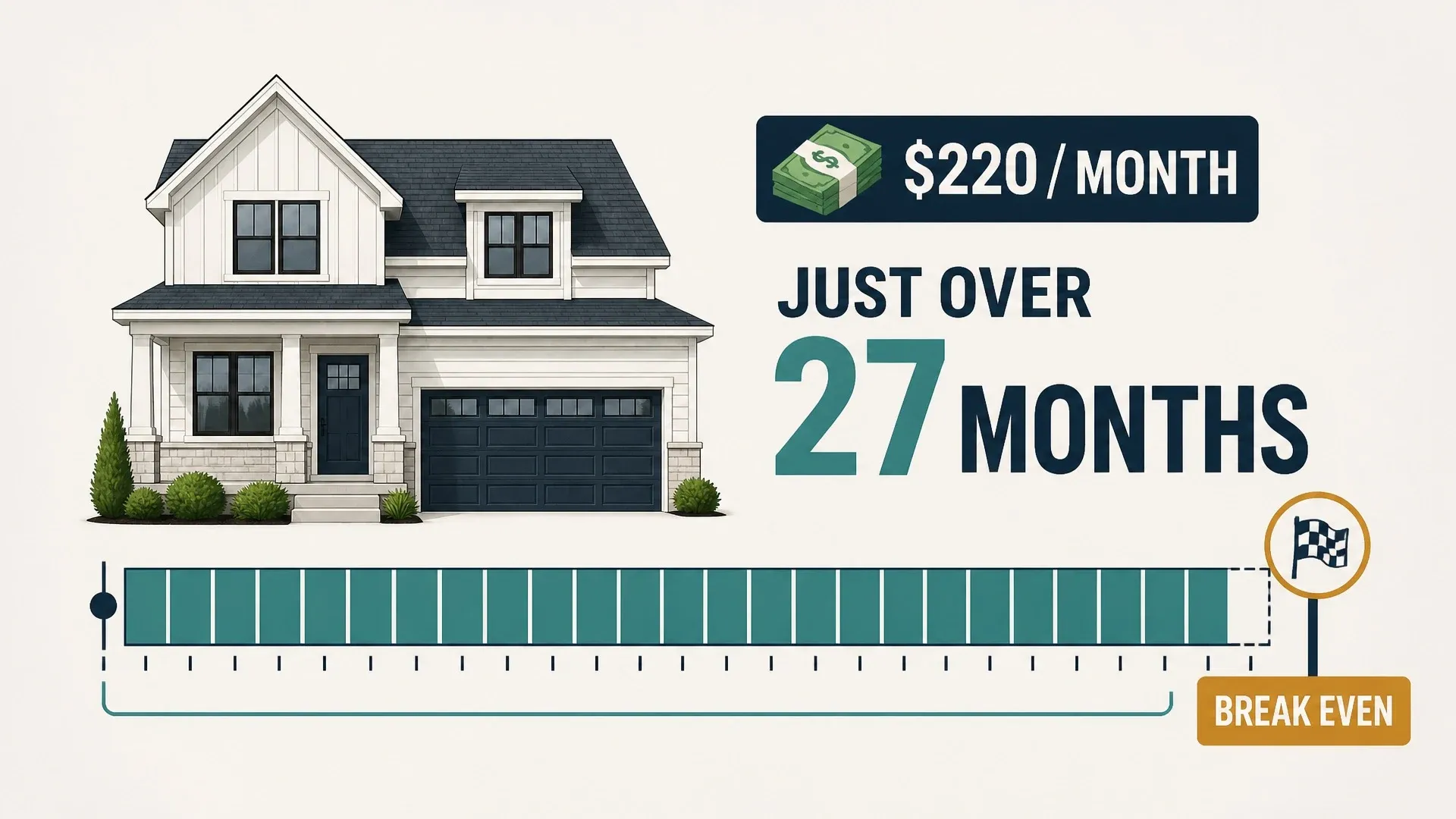
Refinancing helps only after monthly savings recover the upfront costs and the borrower remains in the loan.
The original payment must work on its own. A later refinance is useful upside, not the mechanism that makes an unaffordable house affordable.
Rate and price move at the same time
Waiting for a lower mortgage rate does not freeze the home price. If a $400,000 property stays flat and the rate falls to 5.75%, the payment on a 90% loan drops. If the price rises 5% as more buyers return, the loan grows to $378,000 and much of the saving disappears. A price decline would improve the outcome further, but no one knows which combination arrives first.
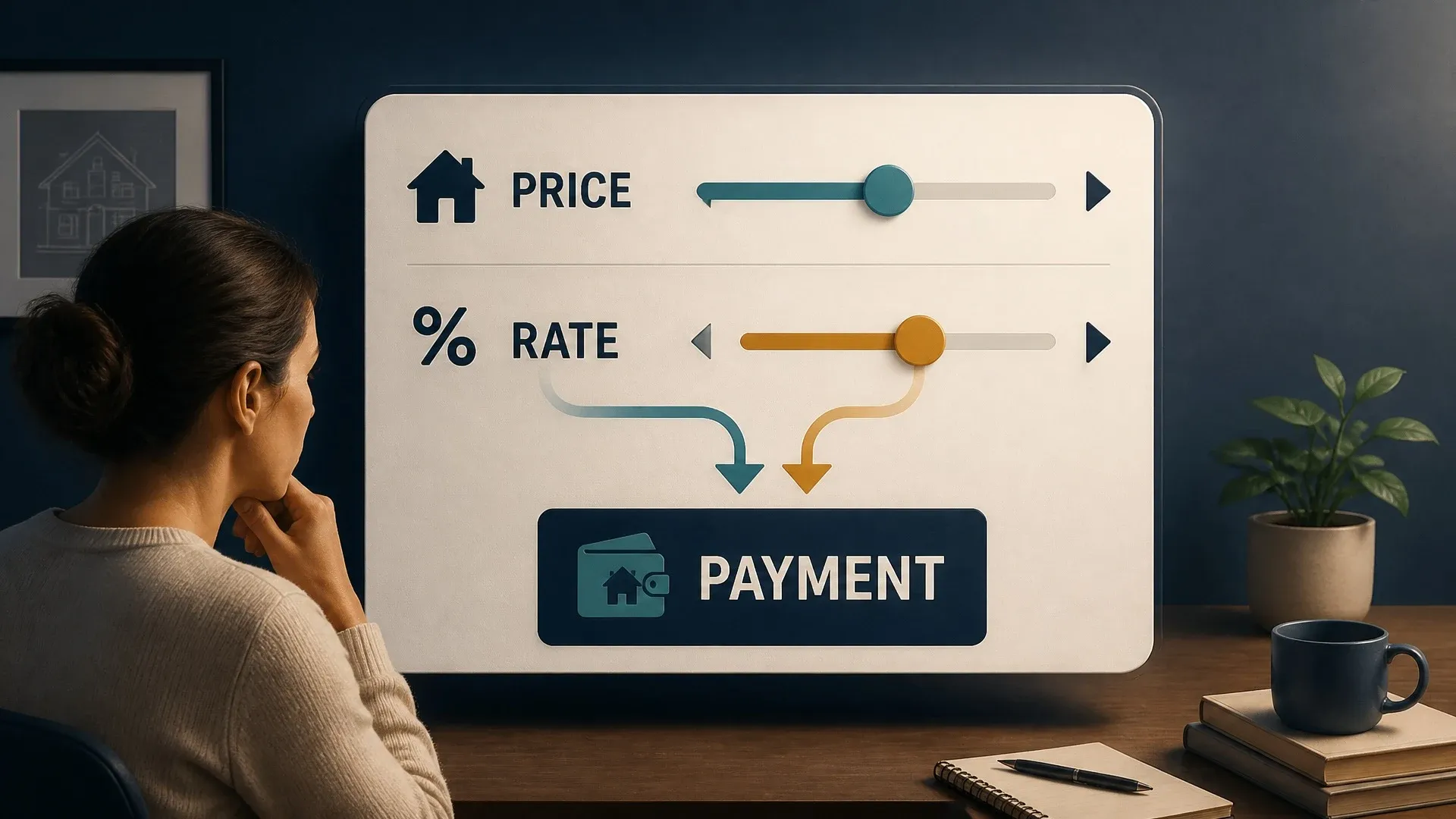
Price and rate move independently, so a lower future rate does not guarantee a lower future payment.
Local supply adds another variable. National data can show a slow existing-home market and much more new-home inventory while the street you want still attracts ten offers. Builder incentives, seller-paid closing costs, inspection terms, and repairs have real value. Compare complete deals, not one headline rate.
The CFPB recommends comparing Loan Estimates from multiple lenders. Check the APR, points, origination charges, mortgage insurance, cash required at closing, and five-year borrowing cost. An advertised low rate can be expensive when it requires large upfront points.
Time is part of the calculation
Buying and selling involve loan charges, title services, inspections, moving, repairs, and eventual selling costs. Early mortgage payments are also interest-heavy. On the example loan, roughly $2,007 of the first $2,321 payment is interest and only about $314 reduces principal.
That does not make ownership a bad investment. It means a short stay gives appreciation and principal repayment little time to overcome transaction costs. If work, family needs, or location preferences may change, rent buys flexibility and transfers many repair and price risks to the owner.
Waiting is strongest when it has a job. Saving $1,000 a month adds $12,000 to a down payment in a year. Paying down expensive debt, improving credit, or building an emergency fund can make the eventual purchase sturdier. Waiting vaguely for rates, prices, and the economy all to feel safe is less useful; obvious bargains tend to attract other buyers too.
Five questions before making an offer
Ask whether the full payment works without refinancing, whether emergency savings survive closing, whether you expect to stay long enough to spread transaction costs, whether the home solves a real need, and whether waiting has a specific financial plan.
Strong answers do not guarantee a profit. They show that the purchase fits your life under more than one market path. The best time to buy is not a forecasted bottom. It is when the complete deal can survive an ordinary, imperfect future.